



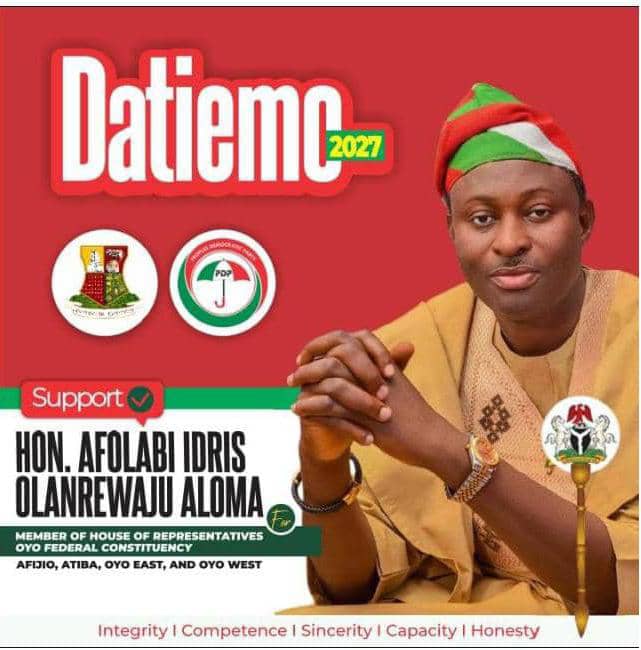
There is something almost comical about the purported gathering of Mogajis, Baales and other traditional titleholders at Engr. Muftau Open Salawu’s residence at Iyaganku on Saturday in a childish desperation to diminish the unprecedented show of love displayed towards President Bola Ahmed Tinubu.

A meeting allegedly attended by 250 😀 traditional leaders drawn from all 11 local government areas of Ibadanland, yet the organisers have offered no convincing photographic or video evidence to substantiate the impressive attendance they are advertising.
In an age when politicians document even the arrival of three supporters with cameras, this particular political congregation appears to have taken place in a remarkably camera-shy atmosphere!
One is therefore entitled to question whether this was an actual gathering of influential traditional leaders or another exercise in political imagination designed to manufacture an impression of grassroots rejection of President Bola Ahmed Tinubu.
Even if the meeting took place, the identities, standing and actual influence of those allegedly in attendance deserve scrutiny. A collection of obscure titleholders and politically convenient personalities cannot suddenly become the voice of Ibadanland. Chieftaincy titles do not automatically translate into electoral influence, much less the ability to deliver votes.
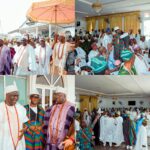
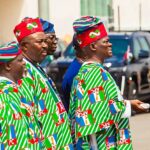
More importantly, the public spectacle at Mapo Hall told a different story. The Olubadan, accompanied by prominent traditional rulers and heads of family compounds across Ibadanland, received President Tinubu. That visible engagement deserves considerably more attention than an alleged private gathering whose attendance and composition remain unsubstantiated.
The political strategists behind the Iyaganku story should understand that Ibadan’s traditional institution is much bigger than a handful of individuals who can be assembled for political convenience.
Beyond the traditional institution, there are more substantial reasons why Makinde and his political associates should be concerned about public opinion. The controversies surrounding local government administration, the perceived weakening of grassroots governance, uneven development across Ibadanland and allegations of questionable land dealings involving politically connected interests have generated serious public debate. Many communities feel neglected, while critics question why certain areas appear to receive disproportionate attention in the administration’s development priorities.
These are not concerns that can be wished away with political endorsements. Neither can the electorate’s assessment of Makinde’s record be separated from the fate of whoever he is promoting to succeed him.
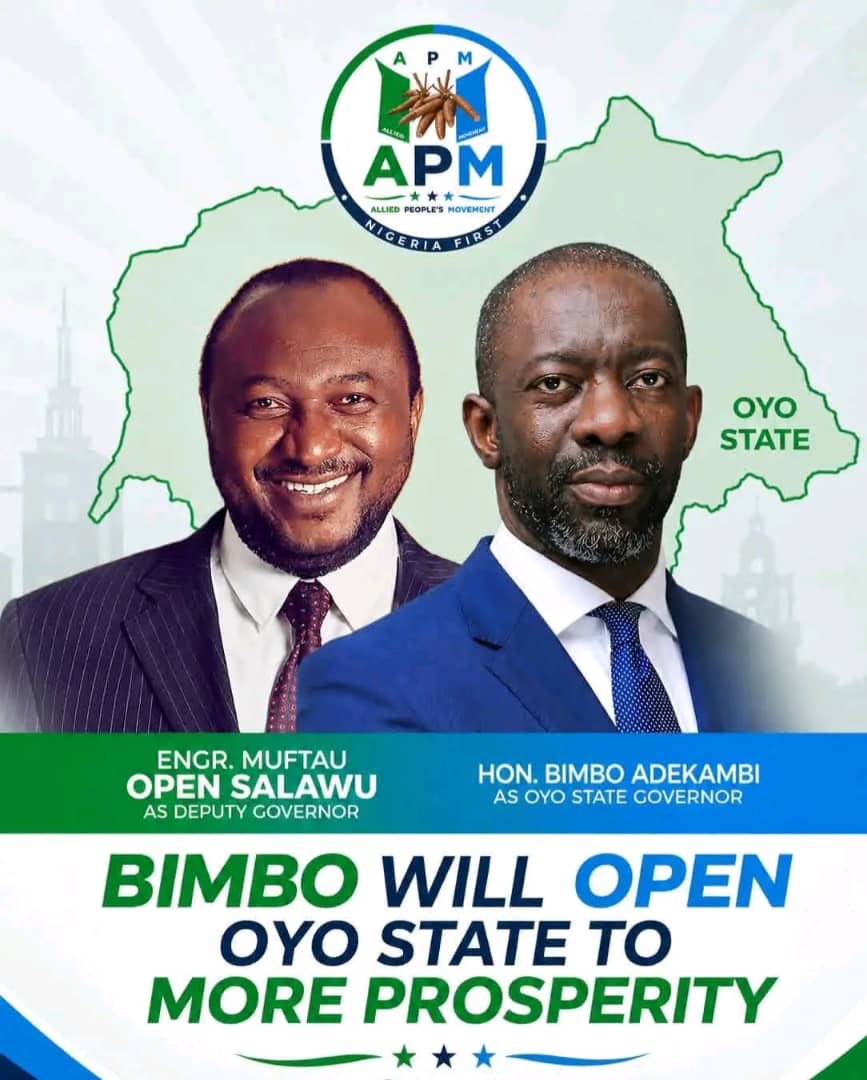
Indeed, the very idea of a third edition of Makinde, as critics describe Adekanmbi’s political ambition, raises legitimate questions about continuity. Adekanmbi must also address the controversy surrounding the corruption allegations previously levelled against him by Makinde himself. What has changed? Were those allegations investigated and resolved?
Why should the electorate accept a succession arrangement without satisfactory answers?
There is also the wider national political context. President Tinubu’s second-term argument is built around the opportunity to consolidate and complete major reforms already initiated by his administration. These include the proposed state policing framework, the administration’s five-year security strategy, investments in national security architecture and the expansion of road infrastructure, particularly across the Southwest. He also increased the number of military formations in the state.
Supporters of the President argue that interrupting these initiatives midway could undermine their intended benefits. They want an opportunity to see the reforms mature and their results become more evident.
It is against this background that Makinde’s presidential ambition deserves political scrutiny. Critics have questioned whether his candidacy is driven by a genuine national alternative or whether it is partly intended to divide the anti-Atiku vote and complicate Tinubu’s re-election prospects. The suggestion that this could indirectly benefit Atiku Abubakar is a political argument that deserves examination, particularly given the debate about regional and ethnic power rotation after Muhammadu Buhari’s eight years in office. But Nigeria’s presidency must ultimately be decided by competence, performance and the freely expressed will of voters, not ethnic arithmetic.
And what of Oyo State?
Surely, the electorate should be wary of exchanging one administration for another without examining the consequences of political succession. The biblical account of Rehoboam, Solomon’s son, offers a timeless lesson. When the Israelites asked him to ease the burdens imposed by his father, he threatened to make their yoke heavier, promising to replace his father’s whips with scorpions. The people rejected him, and the kingdom fractured.
That is a lesson worth remembering. When a successor offers nothing beyond the continuation of an incumbent’s political arrangement, the electorate has every reason to ask whether it is inheriting progress or simply extending its burdens. Those who believe Adekanmbi represents a more desirable future must explain why, particularly when Makinde himself previously made serious allegations against him.
Meanwhile, those celebrating their purported gathering in Iyaganku should remember a timeless Yoruba aphorism: “Èmi kò ní kọ ẹ̀yìn sí ibi tí ayé kò yí sí.” I will not turn my back on the direction the world has taken.
The train has moved. Political events have their own momentum, and no amount of manufactured excitement, press statements or questionable assemblies can substitute for the genuine mood of the electorate.
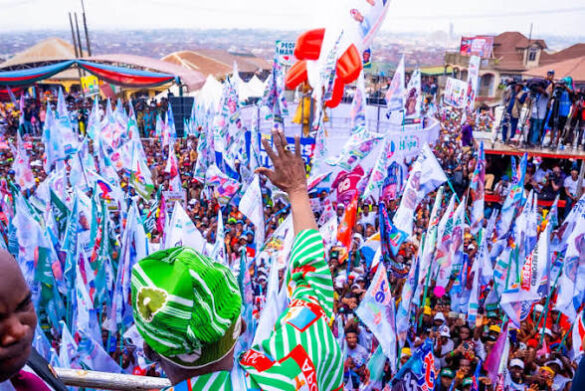
The reception at Mapo Hall has provided an important public demonstration of the relationship between Tinubu and his supporters in Ibadan.
The train has moved. Those who missed it should stop pretending they are the ones driving it.
...For the latest news update, Subscribe to our Whatsapp Channel (Click Here)
Have a story worth sharing? Let Heritage Echo help you reach a wider audience!
At HeritageEcho.com, we welcome news stories, insightful articles, event updates, eyewitness reports, and other stories of public interest.
We also provide advertising opportunities for businesses, brands, products, and services looking to connect with more potential customers.
Get in touch with us today! Send your news submissions, enquiries, or advertising requests via WhatsApp at +2347062636237.