





..A Defining Moment for Nigeria’s Youth
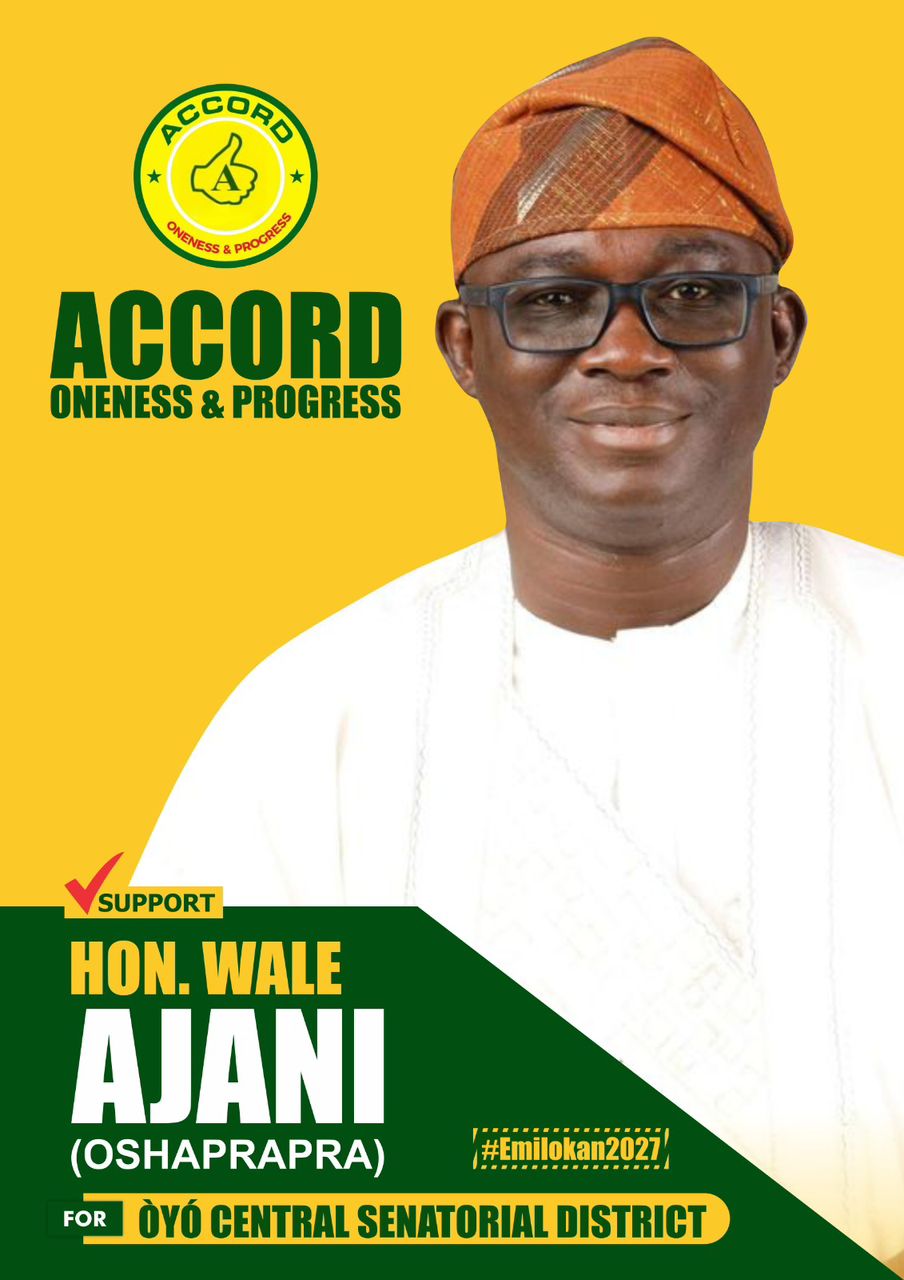
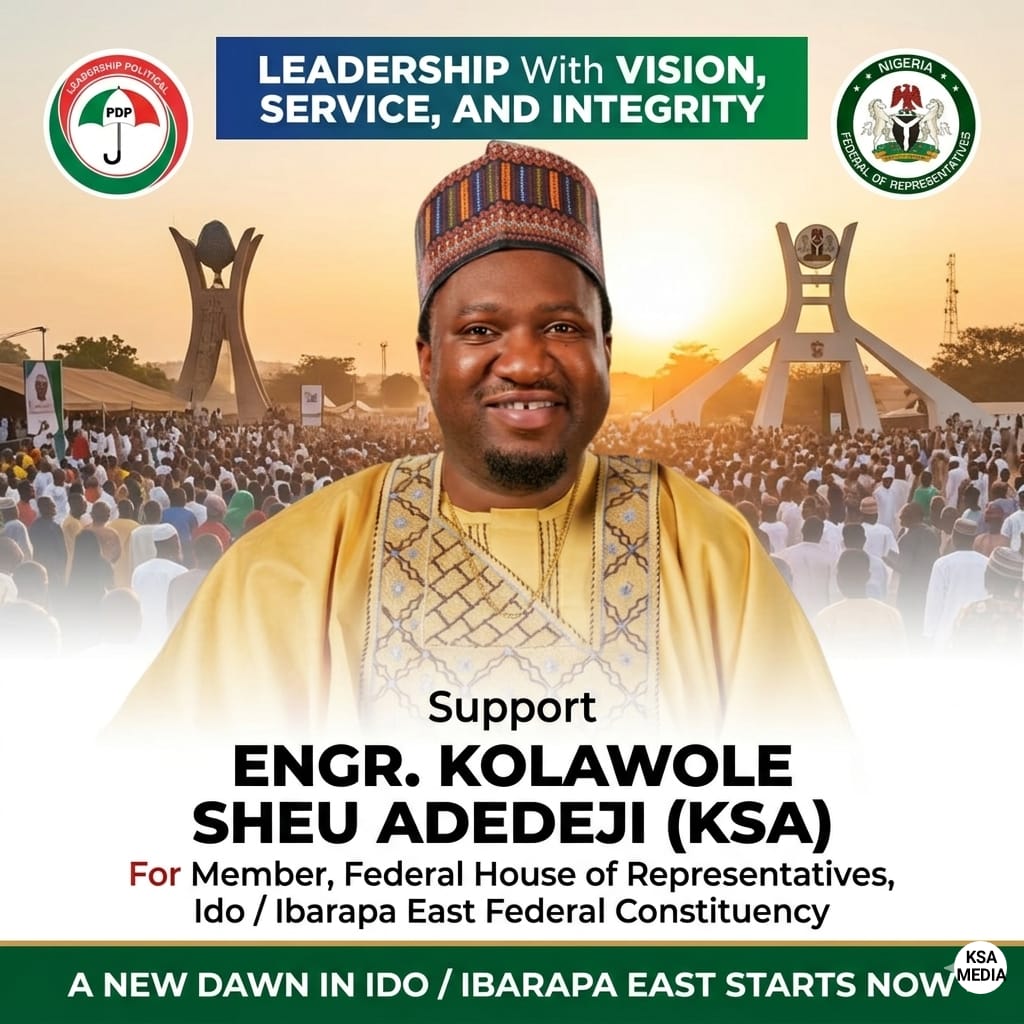
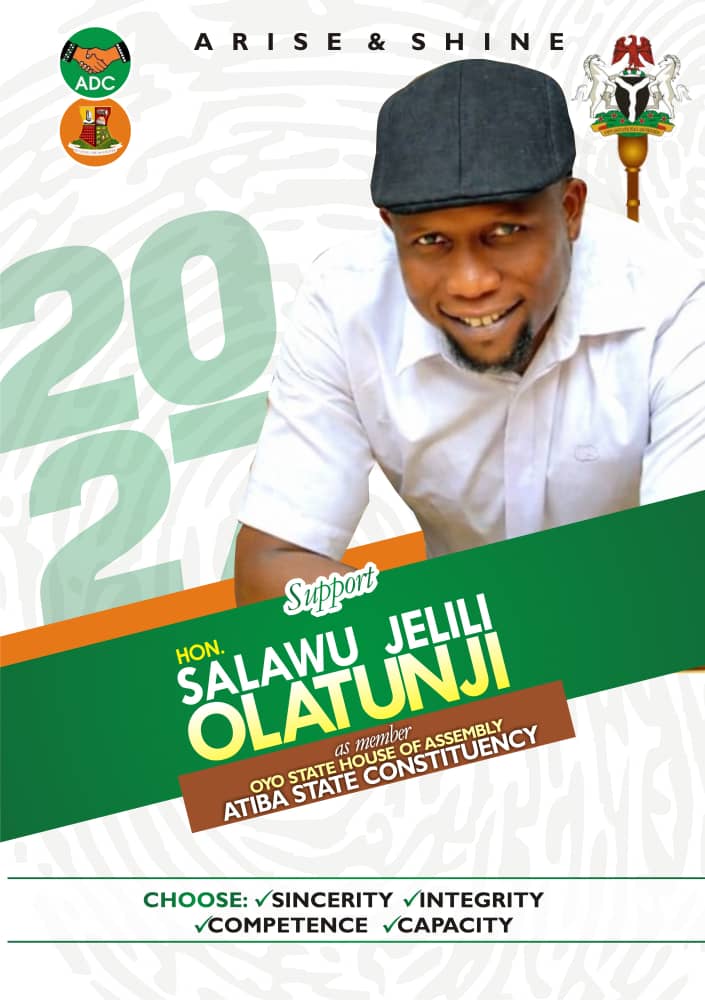
As Nigeria slowly turns its gaze toward the 2027 general elections, a new generation of politicians is preparing to step onto the stage. Some will emerge from party primaries; others will be through consensus, pseudo-godfathers process to carry on old agendas.

Whatever path delivers you to power, one truth awaits: you will be forced to choose. The 2027 general elections are not merely another political cycle. It represents a moment of reckoning for Nigeria’s youth, a generation that has inherited a country of staggering potential and equally staggering dysfunction. The question is not whether young people can win elections. The question is: what will they do differently and positively when they win?

The Blurred Line: Pragmatism vs. Corruption


In the Nigeria’s political landscape, the distinction between pragmatism and corruption has become dangerously blurred. Young politicians entering this space often inherit a system where doing the wrong thing is justified as simply playing the game. Diverting local government allocations, inflating contracts, and skimming from public funds are framed not as theft but as the cost of doing business. You will hear mentors and colleagues say, “Everyone does it,” and that if you do not play along, you will be sidelined. Do not believe them. True pragmatism means understanding that when a young leader misuses power today, he is creating a vulnerability. And in Nigeria’s unforgiving political landscape, that vulnerability will be exploited often by the very people who encouraged the misdeed in the first place.
The Staff Factor: A Volatile Variable
The “staff factor” is perhaps more volatile in Nigeria than anywhere else. Nigeria’s political culture often treats domestic staff, security aides, and personal assistants as invisible people who witness everything but are assumed to be silenced by poverty or loyalty. This is a catastrophic miscalculation. A disgruntled aide who has not been paid their allowances, or a driver who witnessed illicit cash movements, is a walking time bomb. We have seen numerous political careers implode not through investigative journalism but through whistleblowing by former domestic staff who release audio recordings, bank transaction details, or photographs to bloggers. In the age of social media, where Nigerian youths on X and Instagram are quick to mobilize, there is no such thing as a private misdeed. A single leaked voice note can end a political career within hours. The 2027 election cycle will be the most digitally scrutinized in Nigeria’s history. Your staff will not be invisible, treat them with respect, because they hold your reputation in their hands.
Legacy vs. Ego: The Defining Tension
The weight of legacy versus ego is magnified in Nigeria because of the stark contrast between the political class and the populace. Nigeria is a country where the average citizen endures fuel scarcity, galloping inflation, and deteriorating infrastructure, yet watches political leaders move with fleets of SUVs and undisclosed security votes. As 2027 approaches, you will be tempted by the trappings of power: convoys, adoring crowds, the deference of elders who once ignored you. That is the ego trap. If a young politician chooses ego, the desire for flashy cars only, unearned respect, the “big man” status, they perpetuate the cycle that has kept Nigeria stagnant for decades. But if you choose legacy, you have an opportunity to redefine leadership. Legacy in Nigeria is not built by amassing wealth in bank accounts that will be litigated after one’s death. It is built by being the one governor or local chairman who actually paid salaries on time, who built a functional primary healthcare centres, or who refused to skim from public funds. In a country starved of role models, a young politician who resists the ego-driven path becomes an immortal figure in their community. People forget the names of those who built mansions in Abuja; they never forget the leader who fixed the transformer in their village.
The Youth Mandate: Redefining the Social Contract
Ultimately, the salvation of Nigeria lies in the hands of the youth but not in the form of merely occupying offices. What we youths need to do to make Nigeria a better place is to fundamentally redefine the social contract between the leader and the masses. First, we must prioritize ideology over access. Too many young Nigerians view politics as a quick route to wealth rather than a platform for service. We must support young politicians who have a track record of competence and integrity before they get into office, not just those who can share money during campaigns. Second, we must wield digital citizenship as a weapon. The youth must stop being passive consumers of politics and become active auditors. We need to demand that young leaders publish the details of their constituency projects, their budgets, and their assets before and after assuming office. The technology exists; the platforms exist; the only missing ingredient is our resolve. Third, we must reject the culture of godfatherism that forces young leaders into subservience. A young politician who is a stooge to a corrupt elder is not a leader; they are an errand runners. We must celebrate and protect those young leaders who dare to say no to the old order, even if it costs them an election. Finally, we must hold ourselves accountable. If we, as youths, accept bribes during elections, look away when our peers steal, or glorify ill-gotten wealth, we become complicit in the very system we claim to despise.
A Call to Vote: Courage Over Fear
Now, to every young Nigerians reading this: you must go out and vote. But before that, you need to take the first and most important step, get your permanent voter’s card (PVC). Without it, your voice cannot be heard, and your power cannot be counted. Register now, collect your PVC, and keep it safe. Let us be honest, voting has not always been safe in Nigeria. We have seen attacks on polling units, intimidation by thugs, and violence designed to keep you afraid and at home. Past elections have shown us that some forces would rather spill blood than lose power. But here is the hard truth: if we keep allowing fear to keep us away, our vote will never count, and the next generation of Nigerians will inherit the same suffering we know today. We cannot wait for a perfect, violence-free election because that day may never come unless we fight for it. Get your voter’s card, go out in groups, stay aware, document everything, and vote with courage. Do not let the memory of past attacks silence your future. Your one vote, combined with millions of others who refuse to be intimidated, can change the direction of this nation. Be brave. Be peaceful. Be present. God bless everyone, and God bless the Federal Republic of Nigeria.
Dr. Samuel Ajayi
Director for Human Resources Services and Business Development, Pal-Affinity Consults Ltd
Former Director for Due Process, Oyo State Pacesetter Transport Service, Ph.D Accounting and Finance, MSc Accounting, BSc Banking and Finance, ACA, ACIB, ACTI, FFAR, MAPM, CCrFA, ASM, MCILRM.


